Featured

Macabago’s blog

MY AUTOGRAPHY

I’m Shaira P. Macabago,20 years old and I live in Pingles Brgy cascag surigao city. I was born on March 6, 1998 and my mother’s name is Nora Macabago  born on November 1, 1975 an occupation of a and my father’s name is  Alican Macabago born on  october 5, 1976 an occupation of a vendor and we have 7 siblings of our parent’s the religous of muslim. I’m very thankful that i have a parent’s always support me.

I was studied elementary in Surigao west central elementary school (SWCES). High school  Surigao City National High school (SCNHS). But in seniorhigh I transferred in surigaohigh because i want a very happy experience so lucky that in surigaohigh i have a close friends and sadness is very hard subject’s and all teacher is very good and very hard teaching.

Im a kind of girl who is not good, not smart, but kind and even I’m not smart enough to lend me everything even hard and I believe in myself not to know what you should consider for it to be disappointed and accept what you are. but most of all I’m happy with my family so I will make my dreams come true for them.


Featured

Filipino Cuisine

FILIPINO FOOD IS TYPICALLY EATEN WITH RICE, USING A FORK AND SPOON, OR TRADITIONALLY WITH YOUR HANDS (KAMAYAN)

Related image

CULINARY HISTORY

Filipino cuisine reflects its centuries of colonization and foreign influences.  Traditional Filipino cooking originally just involved boiling, grilling, roasting and steaming.  It has since evolved to a cuisine predominantly Spanish-based but fused with Asian influences.  The Chinese brought us soy sauce, noodles, frying and stir frying; while, the Spaniards brought us cattle, grains, tomatoes, potatoes and other staples.  Spain, which ruled the Philippines for over 300 years, is its strongest culinary influence.

Filipino cuisine is so diverse it is hard to describe with just one dish or with just one word.  Ask almost any Filipino to describe Filipino food and they will usually have a hard time.  Common dishes are meat stews and vegetables, grilled fishes, and a wide variety of soups and noodles.  Vinegar is common among many Filipino dishes as both a marinade and a condiment.  And the Philippines has no shortage of vinegars:  coconut vinegar, rice vinegar, cane vinegar, palm vinegar — basically, if we found something that had natural sugars in it, we fermented a vinegar out of it.  Whereas, bagoong and patis, fermented shrimp paste and fish sauce are very common salting agents used to flavor foods.

Unlike their Southeast Asian neighbors, most Filipinos do not eat chili-hot dishes.  Yet, many dishes from the southern region, which is predominantly Muslim, are distinguished by their use of chili and coconut milk, similar to Indonesian, Malay and Thai foods.  Thus, Filipino food can be defined by its combination of sour, sweet, salty and spicy…sometimes all in the same dish.  Filipino culture and traditions revolve around food, it brings people and communities together, so much that it is common to greet someone with ‘have you eaten yet?’ instead of ‘how are you?’  Filipino food is typically eaten with rice, using a fork and spoon.  And traditionally, by kamayan (with your hands).

FOOD, CULTURE AND MEMORIES

Our culture influences our food which creates our memories.  And as an American-born Filipino, we also share a bi-cultural experience of bridging our two cultures.  Bringing passion, culinary expertise and cultural pride, Pampalasa celebrates and shares our Filipino American cooking with all of you.  For some, whether it’s your Tito (uncle) Junior prodding you to sing karaoke after dinner or your Tito Boy telling you to “pull my pinger” after a meal, Filipino food, as with all cultures, always reminds us of family and our community gatherings.  And for those who have experienced the Filipino culture, it is a reminder of how much food and memory are connected, even within a diverse and evolving mainstream community that is San Francisco.  Feel free to ask us how to eat Filipino food with a fork and spoon!

We look forward to celebrating our culture with all of you.   ~PAMPALASA3

Reference:

http://www.pampalasa.com/filipino-cuisine/


Featured

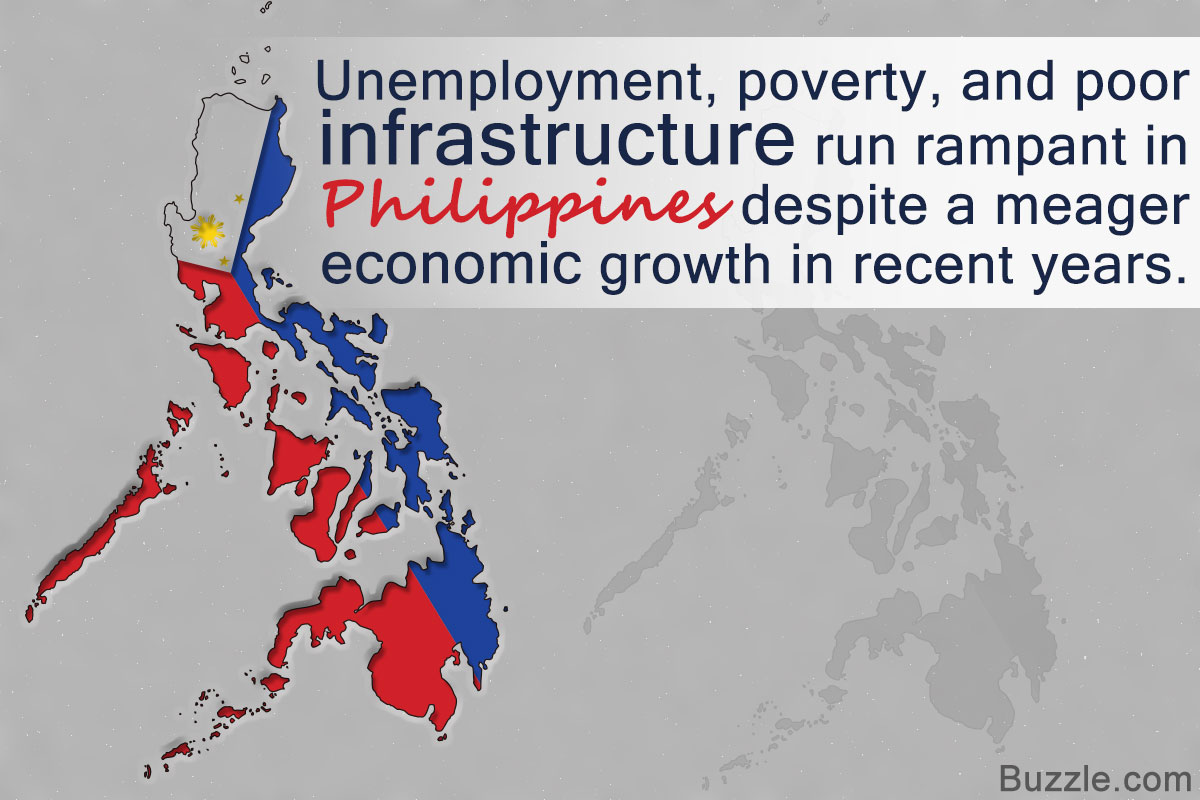
All About the Economic Problems of the Philippines

Economic Problems of the Philippines


Did You Know?
In January 2015, out of the 62.87 million Filipinos in the age group of 15 years and above, the labor force comprised 40.11 million. Out of these, 2.65 million were unemployed.
Located in Southeast Asia, the Republic of the Philippines comprises 7,107 islands. With more than 100 million people currently living in the Philippines, it is ranked as the 12th most populous country in the world. Philippines’ economy largely depends on the remittances from the Filipinos residing overseas and investing in the homeland. More than 10 million Filipinos are currently living abroad.
Philippines has emerged as one of the fastest growing economies in Asia, with an annual GDP growth rate of 6.1% in 2014. According to the Asian Development Bank, the GDP growth, Inflation, and Current Account Balance (share of GDP) in 2015 is estimated to be 6.4%, 2.8%, and 4%, respectively. While these figures might paint a rosy picture, there are certain serious issues that need to be addressed.
Economics Problems of the Philippines
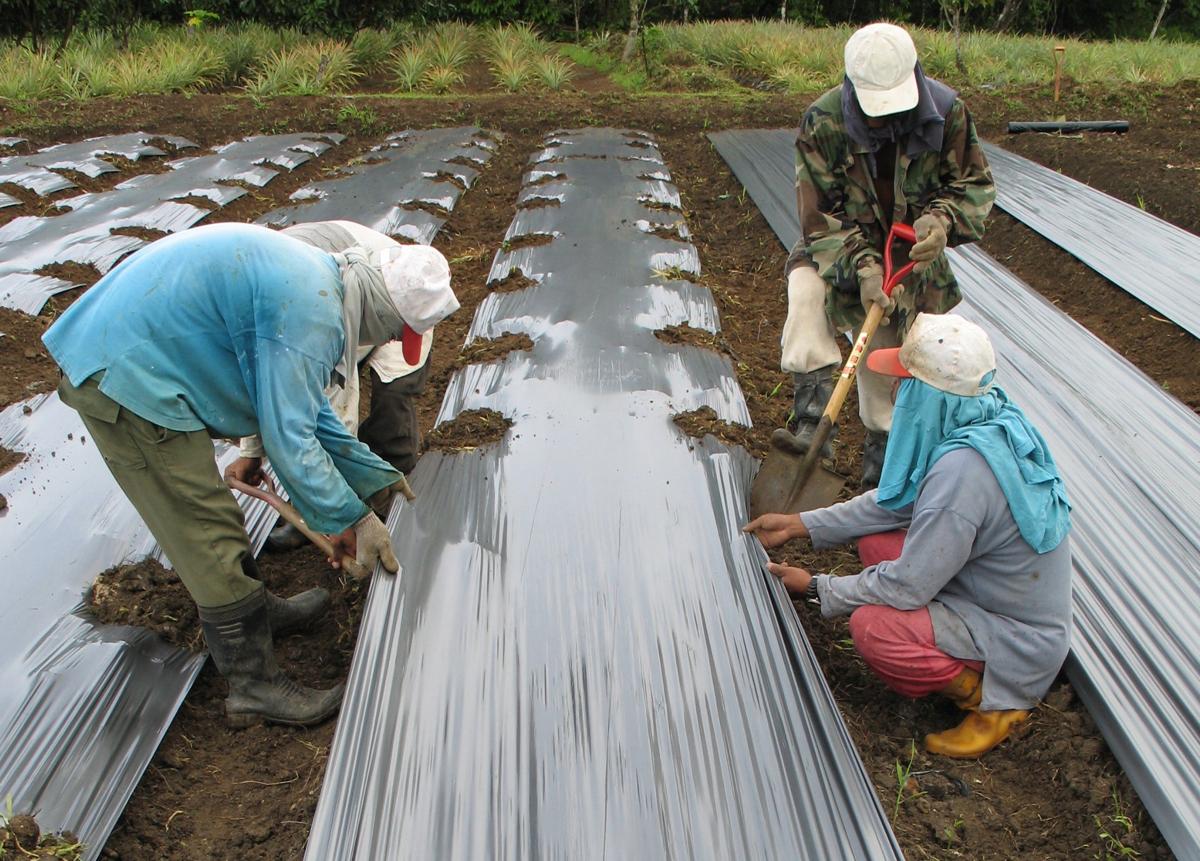
Like most other southeast Asian regions, Philippines too has a history of European colonization. It was a colony of Spain and the USA. The country is now home to multiple cultures and ethnic groups. It is also looked upon as a perfect example of a ‘mixed economy’. Traditionally, the economy stabilized on the agrarian contributions and the manufacture of garments, pharmaceutical products, and semiconductors. In the last decade, electronic exports added to the exports, along with various products obtained by mining. Though Philippines too suffered in terms of exports, remittances from overseas Filipino workers, and foreign direct investments, during the 2008 global economic crisis, there has been steady economic growth in the recent years. However, there are certain economic problems that cannot be ignored. The following sections list out some of the economic problems of the Philippines.
Unemployment
Unemployment
In 2012, 10 million Filipinos were either unemployed (three million) or underemployed (seven million). In October 2013, unemployment rate was 6.5% in comparison to 6.8% in 2012. According to the Labor Force Survey, the unemployment rate was 6% and 6.6% in October 2014 and January 2015, respectively.
Only one-fourth of the Filipinos that enter the labor force are able to find good jobs in the country, and the rest of them find jobs overseas, leave the labor force, or end up becoming unemployed/underemployed. Thus, three-fourth of the workers are unemployed or informally employed, with lack of opportunities to find good jobs. Though jobs are being generated, there’s a need to generate jobs at a much faster rate, to be able to bring down the unemployment rate. Many of the unemployed individuals are college graduates. Many wait for job opportunities abroad, and many families depend on remittances from family members who are staying abroad.

Poverty

Poverty
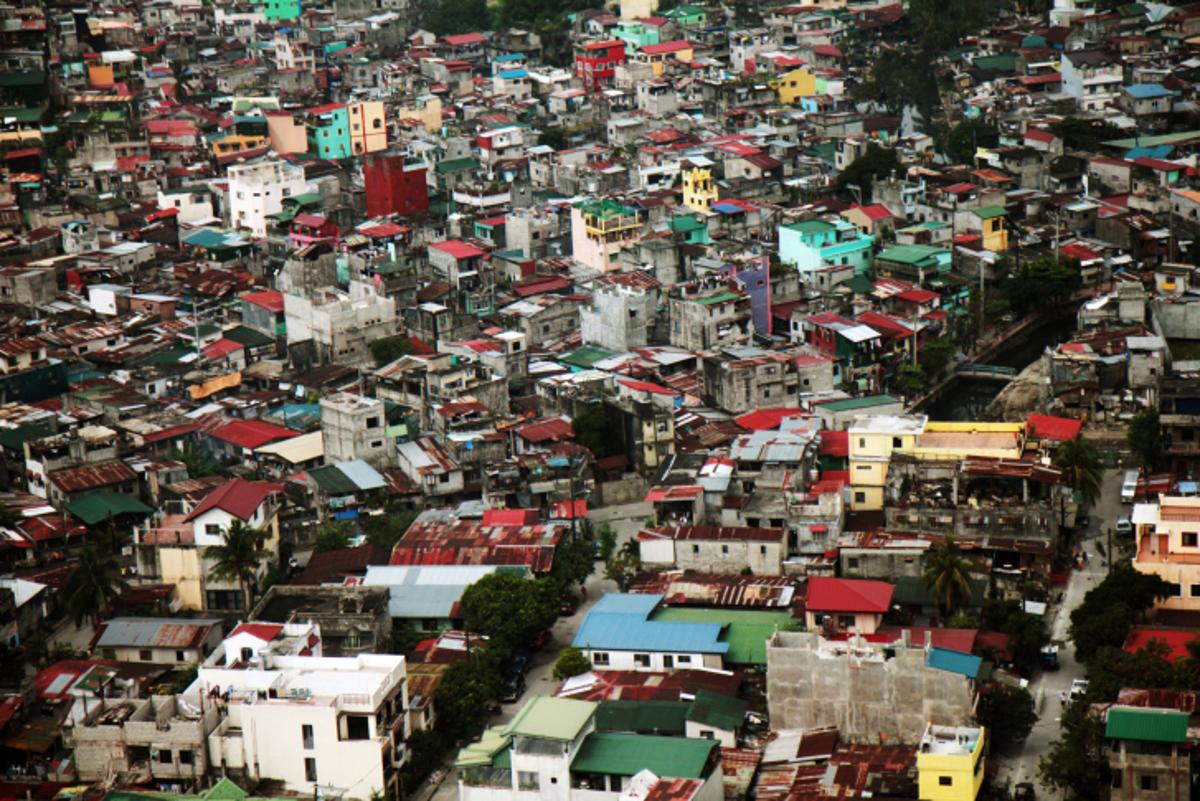
Despite the talk about economic growth, the poverty rates have not changed significantly since 2006. As per the National Statistical Coordination Board (NSCB), poverty incidence of the population improved from 26.3 percent in 2009 to 25.2 percent in 2012.
Even though Philippines is a fast-growing economy, there’s been just a minor decline in the incidence of poverty. Poverty is very much linked to unemployment. Unfortunately, the growth is restricted to the BPO, retail, and real estate sector, and a large number of Filipinos remain without jobs. On top of that, natural calamities further push people below the poverty line. Thus, economic disparity is a common feature. In general, the gains from higher economic growth have not really trickled down to the poor.

Poor Infrastructure

Poor Infrastructure
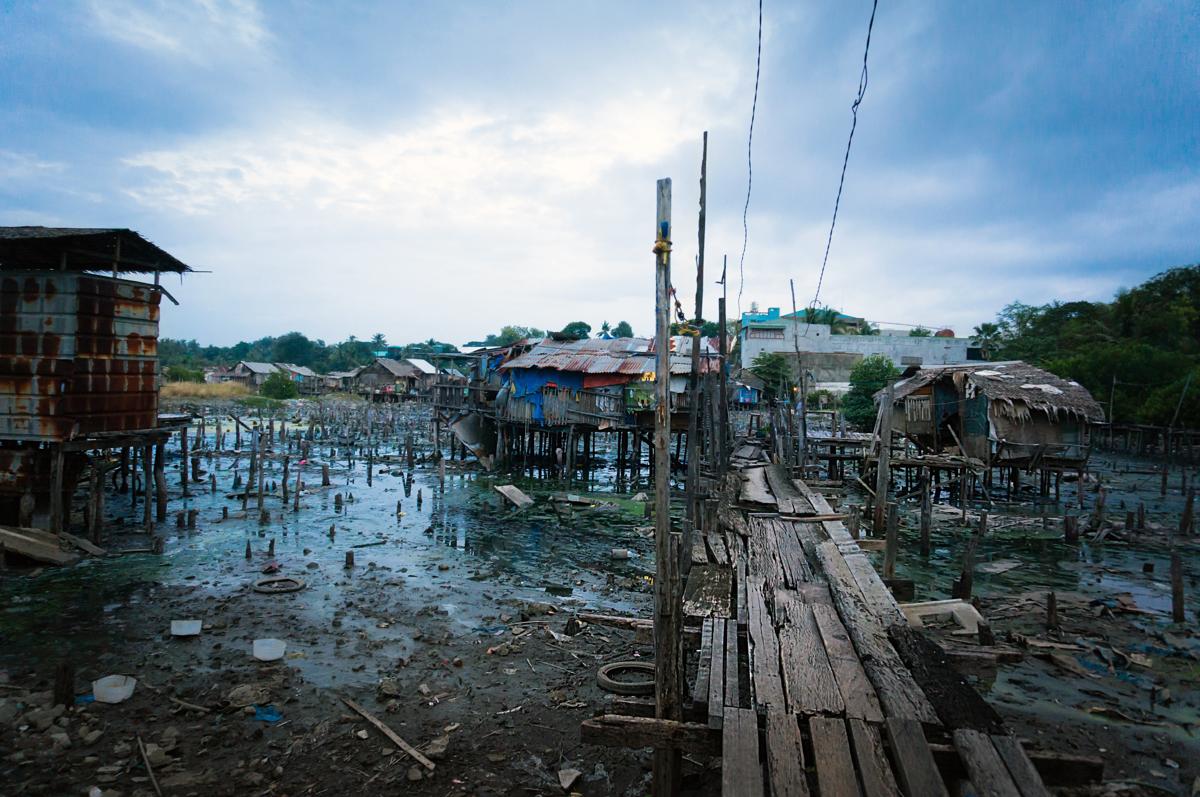
Infrastructure is one of the biggest challenges. In the Global Competitiveness Report 2014-2015 of the World Economic Forum, Philippines didn’t fare well in terms of the quality of the overall infrastructure. It ranked at number 91 among 144 countries. This can be attributed to underinvestment in infrastructure.
In order to host global companies, Philippines will have to pay more attention to enhancing the infrastructure. A well-developed transportation (roads, railroads, ports, and air transport) and communication system is extremely essential for economic activities. As per the World Bank’s Ease of Doing Business 2015 report, Philippines ranked 95 out of 189 economies. It needs to improve its ranking in certain categories. It ranked 161 in the category of starting a business, 124 in dealing with construction permits, 108 in registering property, 104 in getting credit, 154 in protecting minority investors, 127 in paying taxes, and 124 in enforcing contracts. Thus, the policy makers should take steps to attract global companies or investors.

Heavy Dependence on Remittances

Heavy Dependence on Remittances
Philippines was the third-highest recipient of migrant remittances in 2013, after India and China. According to the Philippine Central Bank, remittances from overseas Filipino workers (OFWs) reached USD 25.1 billion in 2013. It was 7.6% higher than the remittances from the last year, and accounted for 8.4 % of Philippine gross domestic product (GDP) in 2013.
The source countries for the remittances included the United States, Saudi Arabia, the United Kingdom, the United Arab Emirates, Singapore, Canada, and Japan. The country heavily relies on these funds. Their economic growth can primarily be associated to the remittances from the overseas Filipino workers, as well as the growth in the Business Process Outsourcing (BPO) sector. Also, one cannot rule out that the growth is connected to the global economy. In the event of any crisis, economic growth is bound to suffer. Thus, greater attention has to be paid to addressing to the internal problems of the economy and enhancing domestic-oriented growth. A policy of removing structural impediments to growth has to be adopted, with lesser focus on foreign investors and exporters.
Besides the aforementioned issues, corruption is another aspect that needs to be taken care of. The current administration needs to prepare an industrialization program that encourages value-addition manufacturing or services and builds Filipino-owned industries. Being overly dependent on global economy or remittances from Filipinos living abroad will make the nation vulnerable to external shocks. Thus, the aim should be to encourage inclusive growth in the country by creating employment opportunities and reducing poverty.
Reference:

10 Uncommonly Used Filipino Words

hqdefault.jpg

We often find foreigners who struggle to learn Tagalog rather amusing. But truth be told, Filipinos—no matter how fluent we are in speaking our native language—still have so much to learn.

tumblr_static_wika_natin_ang_daang_matuwid__by_setseroo-d6dpjgb.jpg

So lets try to learn some uncommonly used filipino words!

1. Dupil

  • English: Amulet
  • Definition: It is an amulet, or anything that is believed to have the power to save the person who owns it from any harm. The more popular Tagalog words currently being used are anting-anting and agimat.
  • Example: Ginamit ni Pedro ang dupil upang maligtas ang kaniyang kapatid sa kapahamakan.

2. Isalat

  • English: Spread
  • Definition: It is an action word that refers to the use or infliction of witchcraft, or a secret power to inflict pain and suffering to other people.
  • Example: Lumapit si Aliyah sa Isalat upang ipakulam sila Mina at Tanya.

3. Sulatroniko

  • English: Email
  • Definition: It is a messages distributed by electronic means from one computer user to one or more recipients via a network.
  • Example: Ipinadala ko na ang sulatroniko ko kay Angela.

4. Kansunsilyo

  • English: Underpants for men
  • Definition: Boxer shorts are a type of undergarment typically worn by men.
  • Example: Ginamit na ni Andrei ang bagong biniling kansunsilyo sakanya ng kanyang tiya.

5. Anluwage

  • English: Carpenter
  • Definition: It is a person who makes and repairs wooden objects and structures.
  • Example: Ihanap moko ng anluwageng kayang gumawa ng upuan para sa sala.

6. Asoge

  • English: Mercury
  • Definition: It consists of a bulb containing mercury attached to a glass tube of narrow diameter; the volume of mercury in the tube is much less than the volume of the bulb.
  • Example: Ingatan mong wag mabasag ang thermometer dahil nakakamatay ang kaniyang asoge.

7. Sambat

  • English: Fork
  • Definition: a fork is a tool consisting of a handle with several narrow tines on one end.
  • Example: Paki-abot nung sambat dyan sa kusina.

8. Labaha

  • English: Sharp Blade
  • Definition: It is an instrument with a sharp blade or combination of blades, used to remove unwanted hair from the face or body.
  • Example: Ginamit nya ang labaha sa cr upang kanyang ipang-ahit sa kanyang balbas.

9. Sipnayan

  • English: Mathematics
  • Definition: it is the abstract science of number, quantity, and space.
  • Example: Hindi mahirap aralin ang Sipnayan kapag nakikinig ka sa turo ng iyong titser.

10. Pulot-gata

  • English: Honey Extract
  • Definition: It is the traditional holiday taken by newlyweds to celebrate their marriage in intimacy and seclusion.
  • Example: Pagtapos nilang ikasal ay lumipad sila papuntang Greece para sa kanilang pulot-gata.

SOCIAL CAMPAIGN: PLANT TREES

download (1)

In connection with the rising concerns over global warming and its impact on the country a public backed social media drive, “Let’s Plant a Tree” has started motivating people to play their part for the national cause by planting saplings whenever possible. The campaign also covers the necessary information regarding those saplings which are inexpensive and require less care to raise and have maximum success rate to be grown as full-fledged trees.

“Do it now, no one else will do it for our future.Everybody wants to park vehicle under the shadow of a tree but nobody wants to plant a tree.”

REFERENCE:

https://tribune.com.pk/story/1725350/1-social-media-drive-motivating-youth-toward-tree-plantation/

Interview: Name a Website

download

Over the years, technology has revolutionized our perspective of the world. Technology has created amazing tools and resources, putting each person’s most useful information at their fingertips.

So in this interview the speaker asked “Name a website that you usually used and what makes them great?” and these are their answers.

” The site that I would normally visit would be Pizap, this is an online photo editing tool that is user friendly, filled with content/features and graphically perfect in my eyes”-Raxiello

” I have a lot of websites that I usually visit but the most recent one is Reddit can cater to all my interest. Memes, Serious Stuff, Vidoes etc you name it Reddit has it. Graphically Speaking the website itself is top notch because it is simple ”-Jecel

” As a person I like to draw and appreciate art, so the site I usually go to is DeviantArt.Com, It’s a site where any artist can upload and or sell their work. The site is 2018 type of graphics and layout but it gets the job done”-Inie